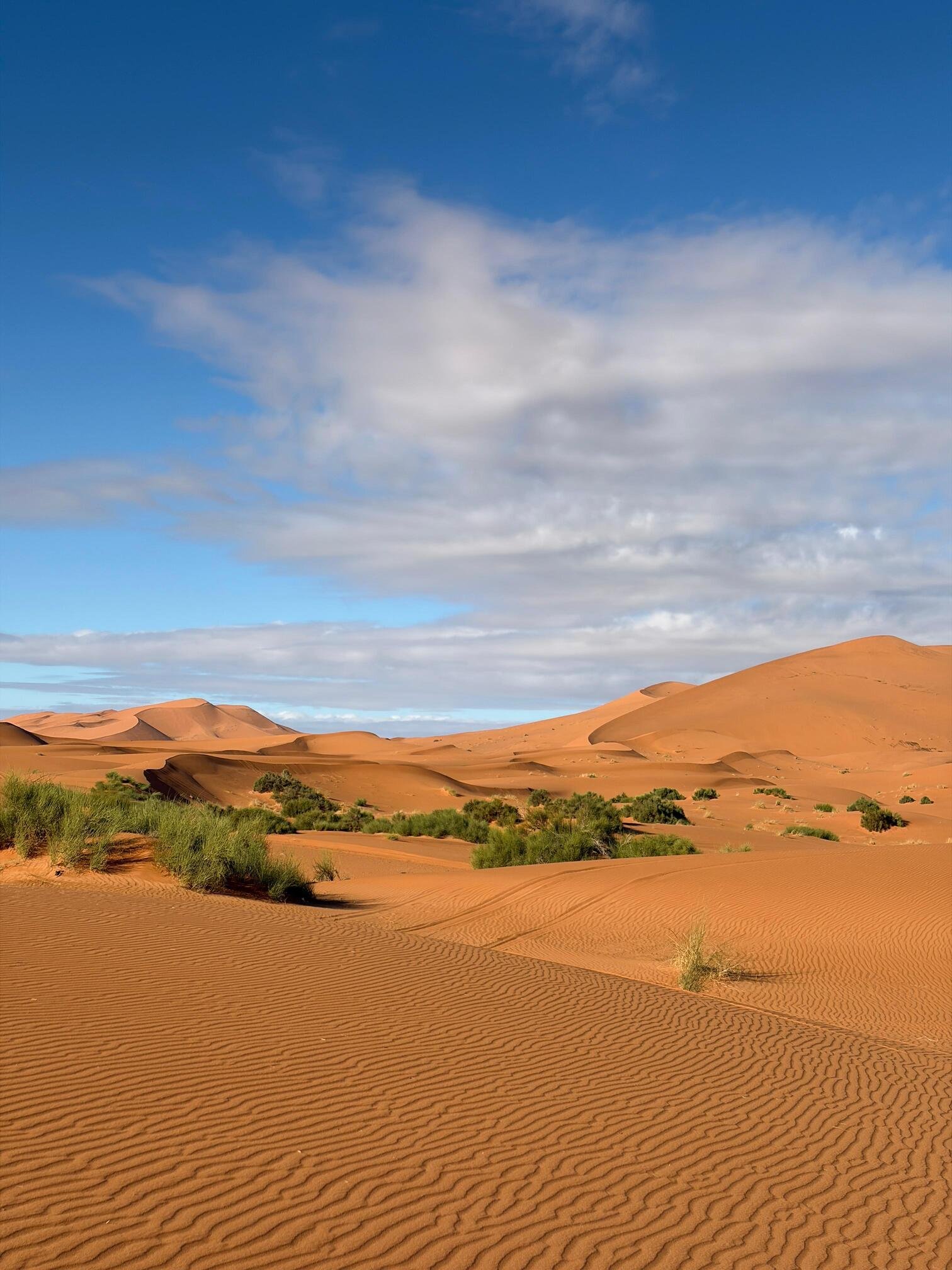
Experience the heart of Morocco’s Sahara on this unforgettable 3-day private journey from Marrakech to the iconic Erg Chebbi dunes in Merzouga. Perfect for adventurers seeking golden sunsets, starry nights, and authentic Berber culture, without the rush.
Overview
This popular 3-days private adventure from Marrakech takes you deep into Morocco’s iconic Sahara desert at Merzouga (Erg Chebbi dunes), blending dramatic landscapes, cultural highlights, and authentic desert magic in a compact, unforgettable package. It’s the perfect short escape for first-time visitors, couples, families, or anyone craving golden sunsets, starry nights, and Berber hospitality, without needing a full week. With private luxury Vans or 4×4 transport, an expert multilingual driver-guide, comfortable accommodations, most meals, and hassle-free door-to-door service, the focus stays on the experience.
Highlights
- Crossing the High Atlas Mountains (2260m)
- UNESCO World Heritage Site -Aït Ben Haddou Kasbah-
- Dades & Roses Valleys
- Todra Valley & Gorges
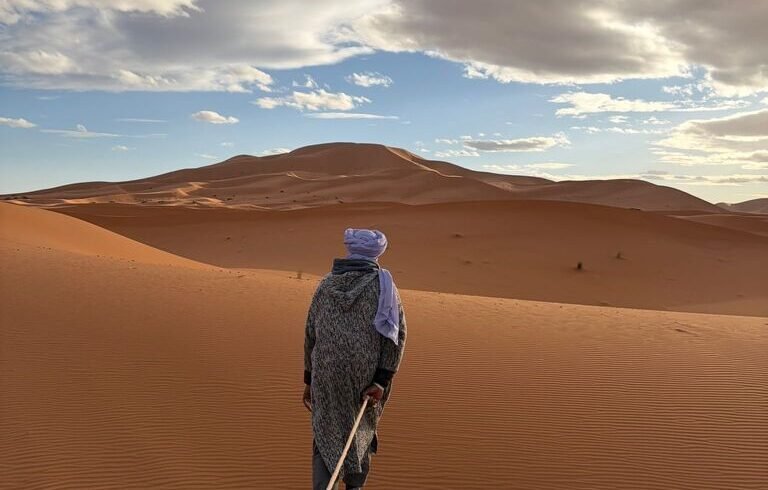
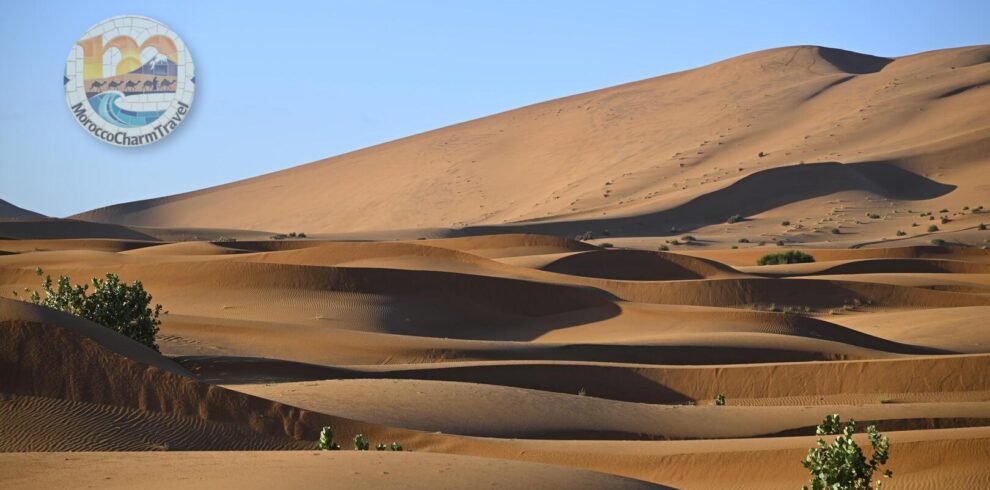
- Sunset Camel Trek across the Erg Chebbi Dunes
- Overnight in a Luxury Desert Camp
- Sahara Sunrise over the Dunes
Itinerary
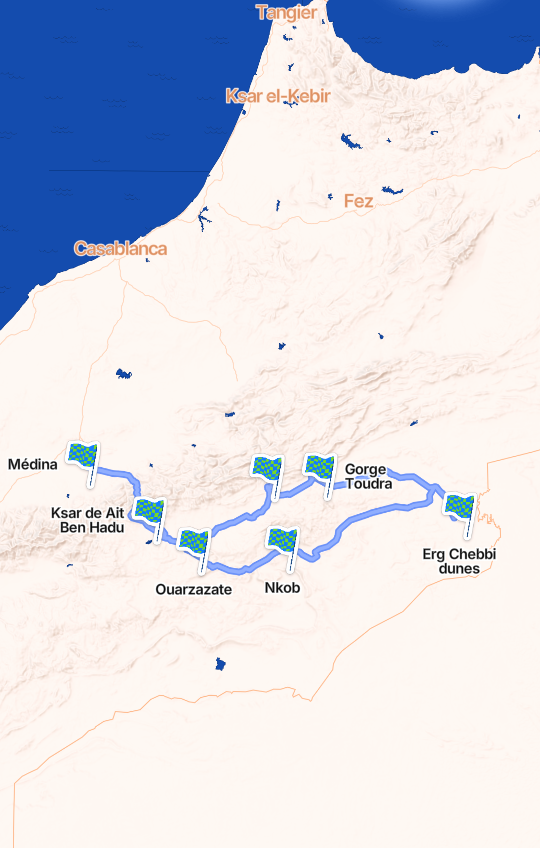
Your driver will pick you up from your hotel or riad in Marrakech and begin a dramatic journey with panoramic views of the magnificent High Atlas Mountains.
We shall explore the magnificent historical palatial residence of the Glaoui family, Kasbah Telouet, and also visit the UNESCO-protected site of Ksar Ait Benhaddou.
We will cross the town of Ouarzazate ‘oualewood city’, pass through the small town of Skoura, and follow the ‘Thousand and One Kasbah’ route to the Valley of the Roses, famous for the famous Moroccan rose, or rose Damascus. After the visite we will proceed towards the Dadès valley and canyon.
After breakfast, and after one hour of driving, you will arrive in the oasis town of Tinghir. You may wish to stop at one of the lookout spots to view the area’s surrounding scenery and take some photographs. You may also enjoy a walk around the water canals and lush vegetation.
We will traverse the town of Tinjdad, pass through Mallaab village, and visit one of the main attractions in the Sahara desert, the Khettarat, an ancient underground system of irrigation.
About 45 minutes from Merzouga, you will reach the oasis town of Erfoud, where you can visit one of the ancient Ksars. This area of the south-est of Morocco is also known for its prehistoric fossils and the annual date festival.
For early risers, join a short sunrise peaceful dune walk to the top of a nearby dune for panoramic views and perfect photos. Return to camp for the breakfast served under the open sky or in the comfort of your tent.
After check-out, embark on the scenic return journey. Drive through the lush Draa Valley the Morocco’s longest river valley lined with date palms, ancient kasbahs, and villages, and pass through Ouarzazate, the famous film capital. Cross back over the High Atlas Mountains with stunning valley and mountain views, enjoying photo stops along the way.
Arrive back in vibrant Marrakech by late afternoon or early evening, filled with incredible memories of desert nights, camel treks, and Morocco’s diverse beauty.
Inclusions
Included
- 3 Days and 2nights as outlined
- Accommodation as outlined in selected proprieties
- 2 Dinners (Dades valley-Merzouga)
- Private SUV or a deluxe minivan, including fuel
- A trusted English Driver throughout the trip
- 24-hour support throughout your trip in Morocco, with a dedicated concierge to assist you with dinner reservations or any special requests
Not Included
- Meals not specified
- Lunch & Drinks
- Tips
- Flights
FAQs
Yes, Morocco is generally safe for tourists, remains one of the most welcoming and stable destinations in North Africa. Millions of visitors travel here each year, drawn to its vibrant souks, historic medinas, stunning landscapes, and warm hospitality. The Moroccan government prioritizes tourism safety, with visible tourist police in major cities like Marrakech, Fes…, and low rates of violent crime against foreigners.
Morocco rewards prepared travelers with unforgettable experiences, from Sahara sunsets to riad magic, and the vast majority of visitors leave feeling safe and enchanted. If you’re joining one of our guided tours or staying in recommended accommodations, you’ll have local support every step of the way. Planning your Morocco adventure? Check our itineraries or contact us for personalized advice!
Safe travels!
The short answer for most travelers: No, you likely don’t need a visa! Morocco makes it easy for tourists from many countries to enter visa-free for short stays, welcoming millions of visitors each year to explore its souks, deserts, mountains, and historic cities.Citizens of more than 70 countries enjoy visa-free entry for up to 90 days (for tourism, business, or family visits). This includes passports from: All European Union countries, United States, Canada, UK…
The 90-day limit begins on the date your passport is stamped upon arrival, so you can plan accordingly. If you need to stay longer, extensions are sometimes possible by applying at a local police station before your time runs out.
Planning Your Trip with Us?When you book one of our Morocco tours, riad stays, or custom itineraries, we’ll provide tailored guidance on entry formalities based on your passport, making sure everything is smooth from the moment you arrive. Most of our guests from Europe, North America, Australia, and beyond breeze through with zero hassle!Excited to discover Morocco’s magic? Browse our itineraries, contact us for advice, or start planning your dream trip today.
We can’t wait to welcome you!
The best time to visit Morocco is during the shoulder seasons: spring (March to May) and autumn/fall (September to November). These periods offer the perfect balance of pleasant weather, fewer crowds, lower prices compared to peak times, and ideal conditions for exploring everything Morocco has to offer: from bustling medinas and historic riads to Sahara desert adventures, Atlas Mountain hikes, and coastal escapes.
Morocco’s diverse regions mean the “best” time varies by your itinerary: Spring/fall suit multi-region trips best, while summer favors the coast and winter offers budget-friendly serenity. When you book with us, we’ll help match the season to your dream itinerary whether it’s a classic imperial cities tour, Sahara sunset camel trek, or relaxed riad getaway. Ready to pick your perfect dates? Explore our Morocco tours or get in touch for tailored recommendations!
Morocco is a wonderfully multilingual country, reflecting its rich history and cultural diversity. The two official languages are: Arabic & Amazigh
In everyday life, however, most Moroccans speak Darija: the lively Moroccan Arabic dialect that’s a unique blend of Arabic roots with influences from Berber, French, Spanish, and even some English words. It’s the language you’ll hear in markets, streets, homes, and casual conversations across the country.
When you travel with us, our guides and drivers are fluent in English (and often French/Spanish), ensuring smooth communication from arrival to departure. No stress, just focus on soaking up Morocco’s magic! Planning your trip? Check our itineraries or message us for tips on communicating during your adventure.
We speak your language… or at least enough to make your stay unforgettable!
Morocco is a Muslim-majority country with a warm, hospitable culture, so dressing respectfully helps you blend in, reduces unwanted attention (especially for women), and shows appreciation for local customs. The key rule everywhere: cover shoulders and knees, loose, modest clothing is ideal in cities, medinas, religious sites, and rural areas. Tight, revealing, or very short outfits can draw stares or make you feel uncomfortable. In tourist hubs like Marrakech, Fes, or Essaouira, you’ll see a mix of Western and traditional styles, many visitors wear jeans, t-shirts, or maxi dresses without issue. But for a smoother, more respectful experience, opt for breathable, loose-fitting pieces in natural fabrics like cotton or linen (they’re cooler and more comfortable in the heat).
The Sahara areas brings extreme contrasts: scorching days (up to 40–50°C in summer) and surprisingly cold nights (dropping to near-freezing in winter). Sand, wind, and intense sun are constant, so prioritize protection, layering, and comfort, especially for camel rides, dune climbs, or overnight camps.